

Quite Artificial intelligence
Technology is revolutionizing football, helping referees to make more precise decisions and optimizing tactics on the ground. Eth Zurich, in collaboration with FIFA, explores how artificial intelligence (AI) can make these advances more accessible to competitions from around the world.
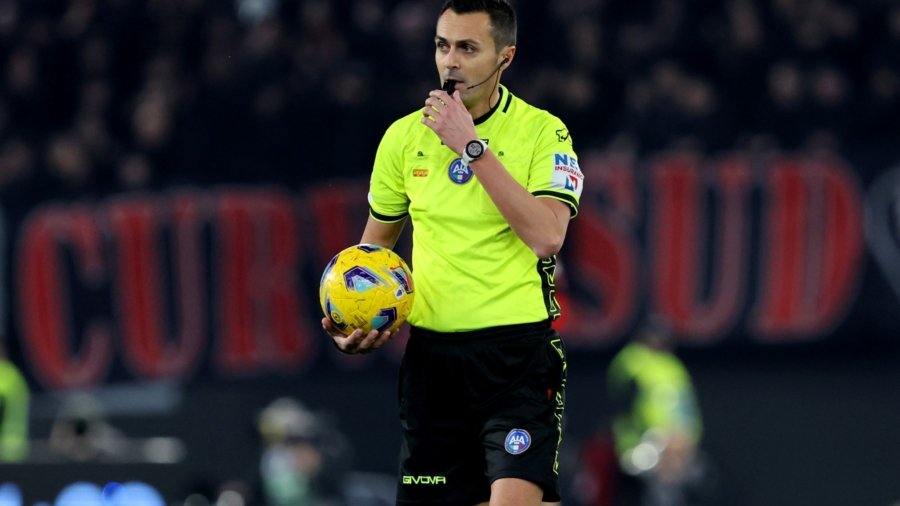
Currently, AI is used in football to analyze players’ movements and help referees decide on situations such as obstacles.
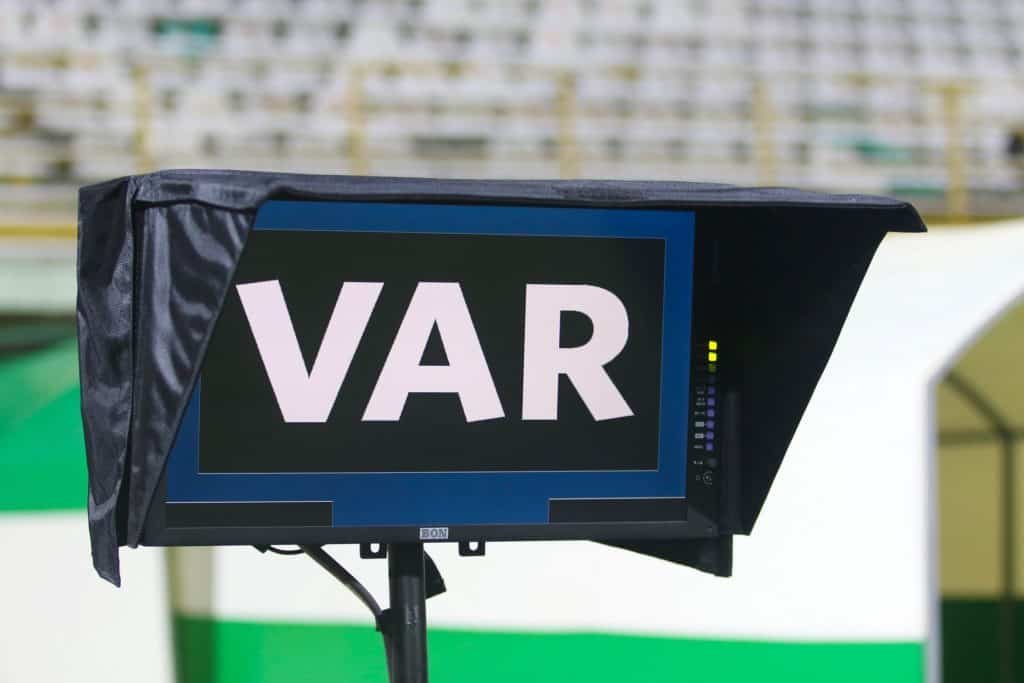
The semi-automatic obstacle system, used by video assistant referees (VAR), following in real time the movements and positions of the players, providing more fair decisions.
So far, these technologies have been limited to the main competitions due to the cost and complexity of the system, which requires 10 to 12 cameras for each stage.
Eth Zurich, however, works to simplify technology, allowing a single transmission camera to be used for analysis. This camera is common in all games and captures most of the images transmitted.

ETH Zurich Ait Lab has scanned almost 50 minutes from the 2022 World Cup recordings, creating a set of data called Worldposes. It contains more than 2.5 million 3D players poses, allowing precise monitoring of players’ movements, with or without the ball.
Find out more:
With monocular installation estimation technology (MPE), a computer uses images of a single camera to detect the positions and movements of the players.
Although this technology is good for analyzing individual games, it faces difficulties in following several players at the same time, especially over large distances.
Technical and advanced cameras calibration challenges
- Researchers were faced with technical challenges such as the obstruction of players and the vagueness of the movement, as well as the problems of calibration of the cameras.
- To ensure precision, they calibrated the cameras and adjusted the images, overlapping the digital field lines to ensure that the data was precise.
- Using the scanned database, the researchers carried out tests to determine if only one camera would be sufficient to detect a precise obstacle position.
- The results have shown that if current technology works well for individual sequences, it always faces difficulties with several players and variations in zoom.
With the launch of the FIFA innovation challenge, researchers from around the world are now forming their systems to develop algorithms that allow precise analysis using a single mobile camera.
More than 150 researchers have already signed up for the challenge, which can accelerate the development of this technology, which makes it more accessible to football in general.


Add a Comment